

Tear Trough Rejuvenation
Tear trough filler – Refreshing and rejuvenating the undereyes
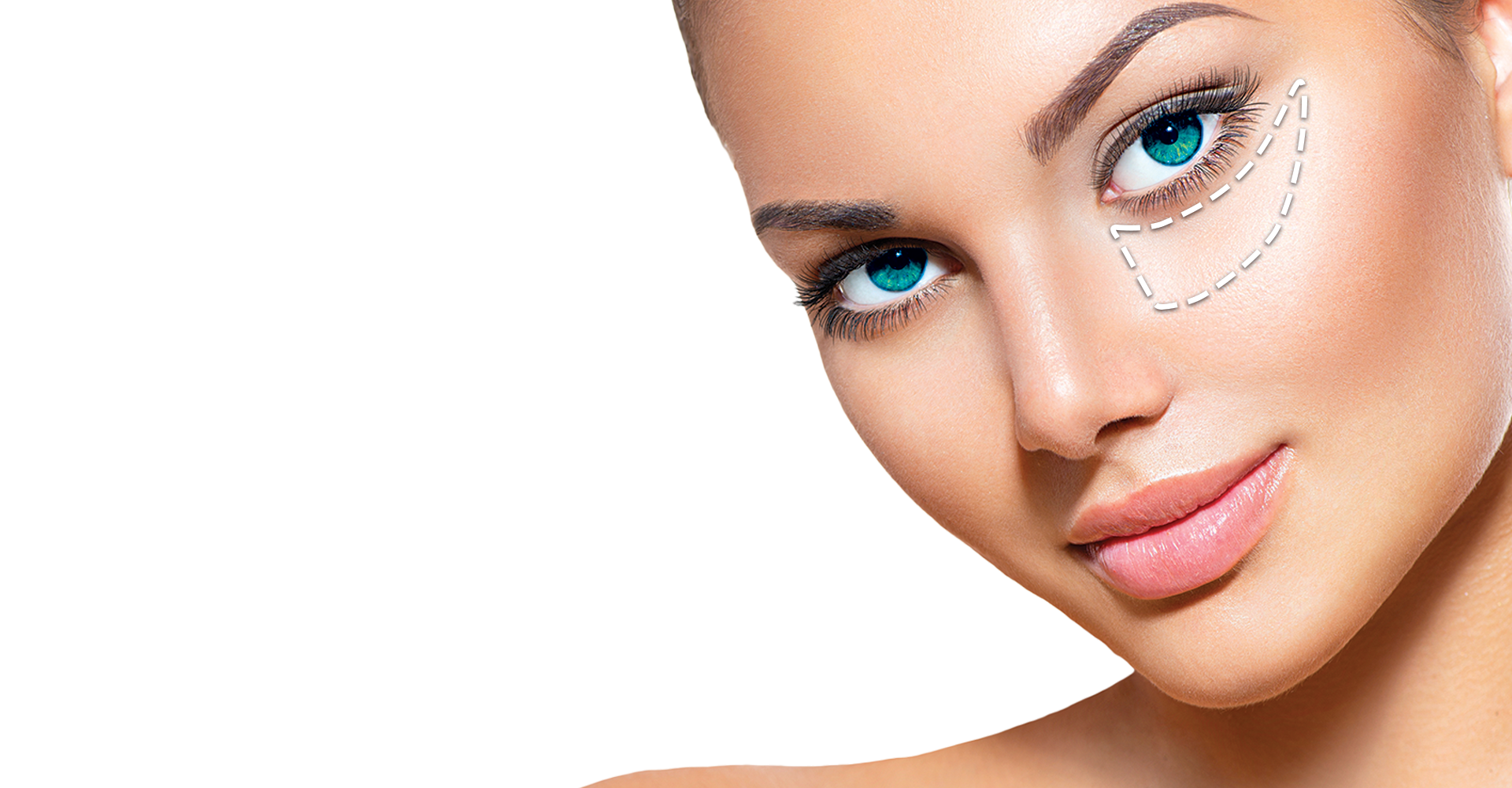
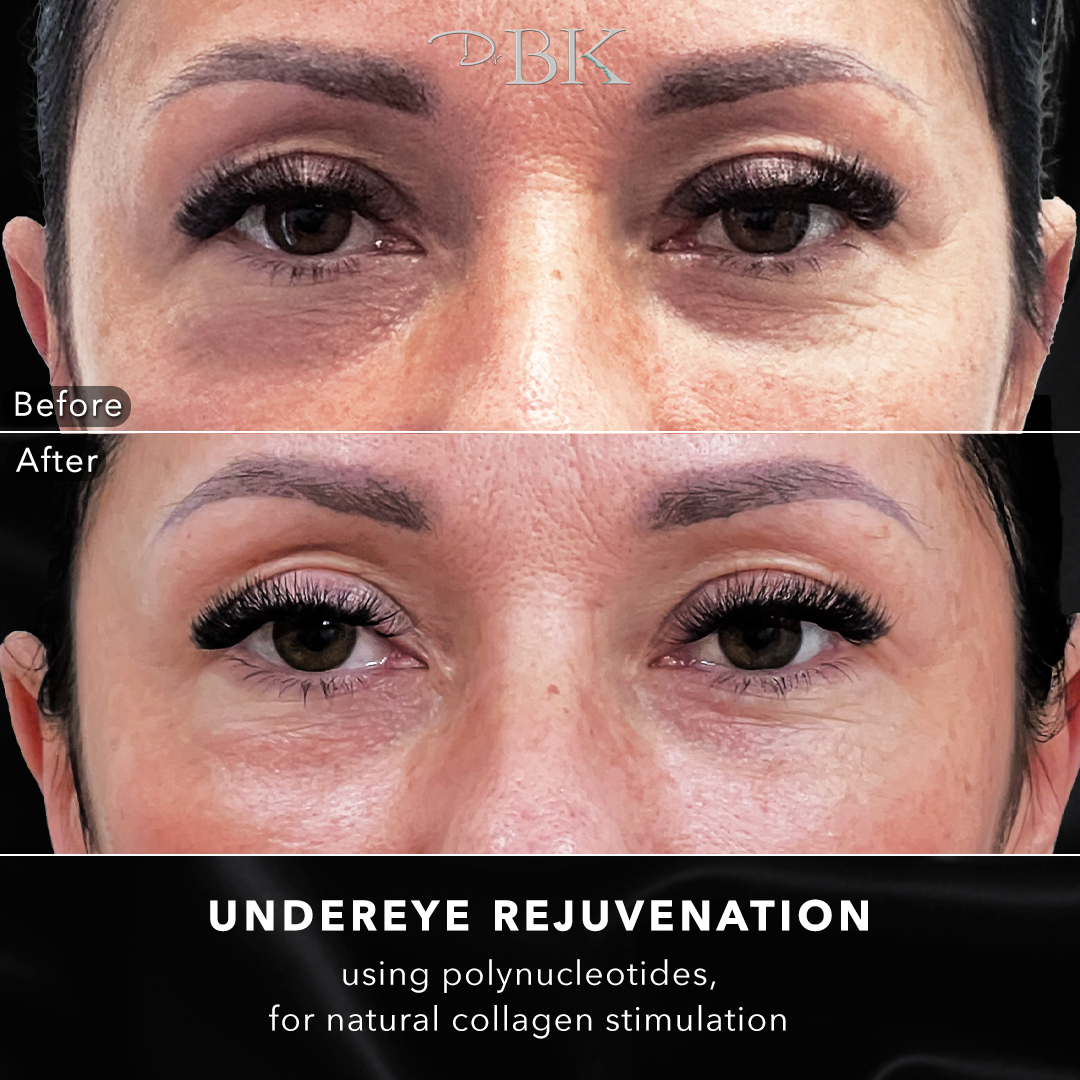
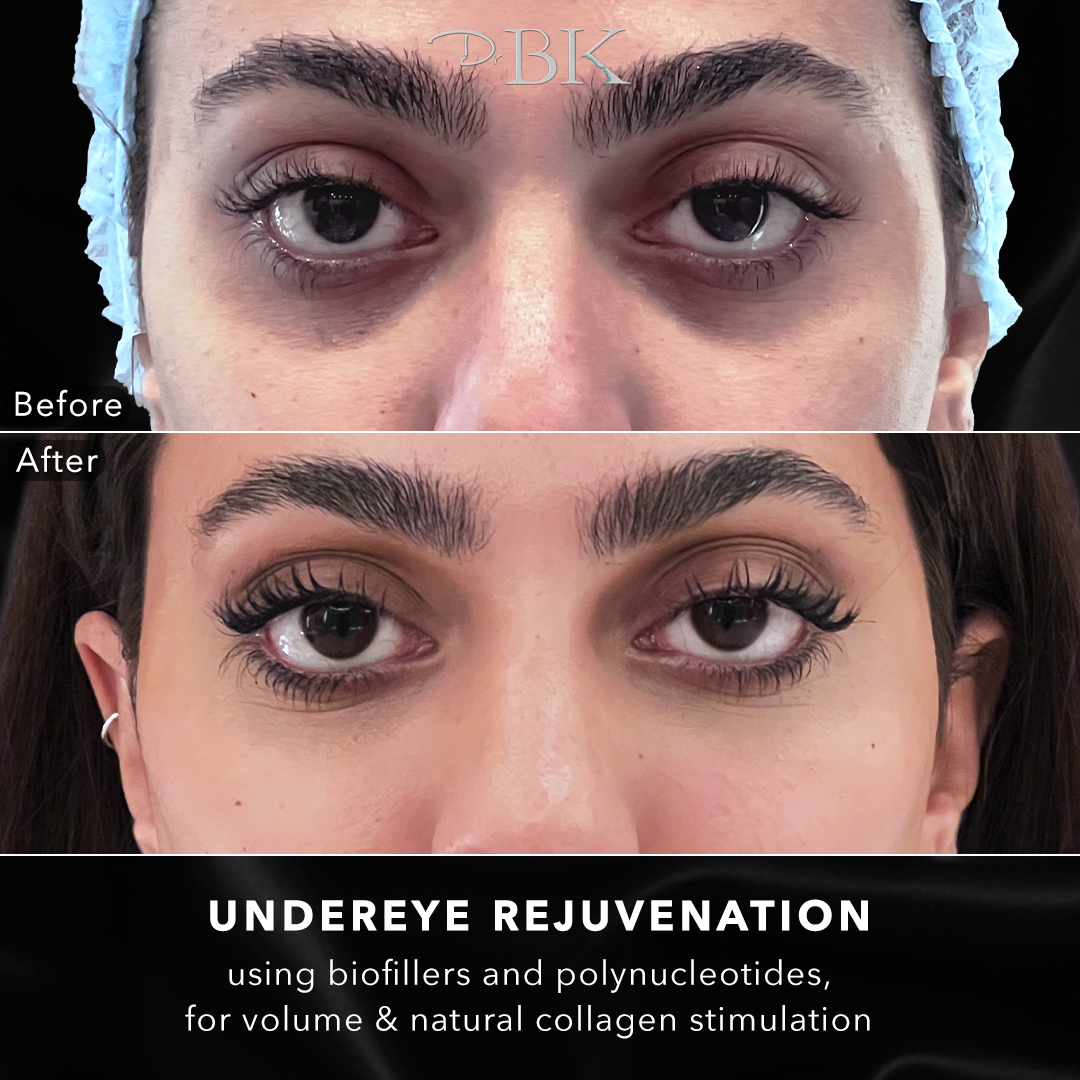
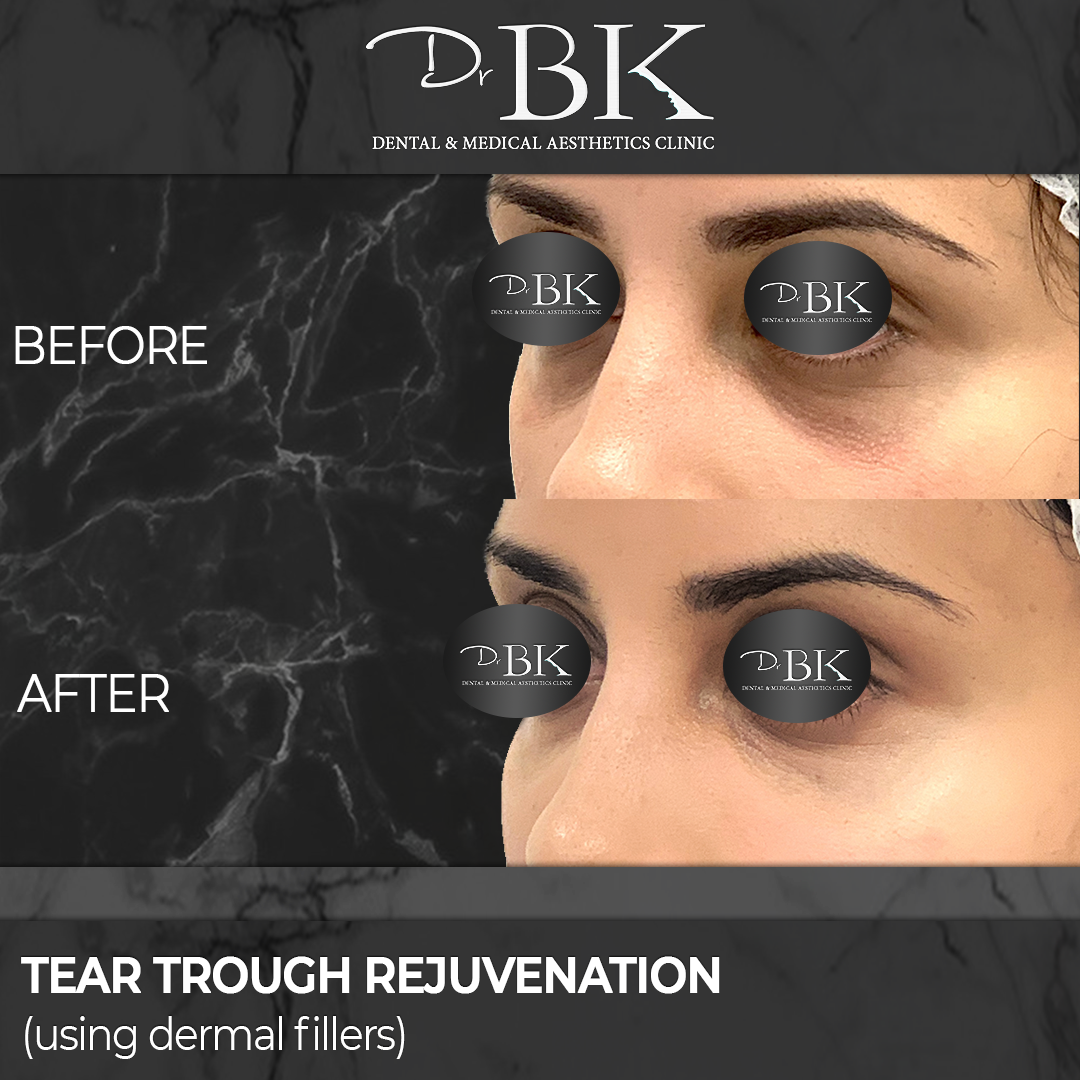
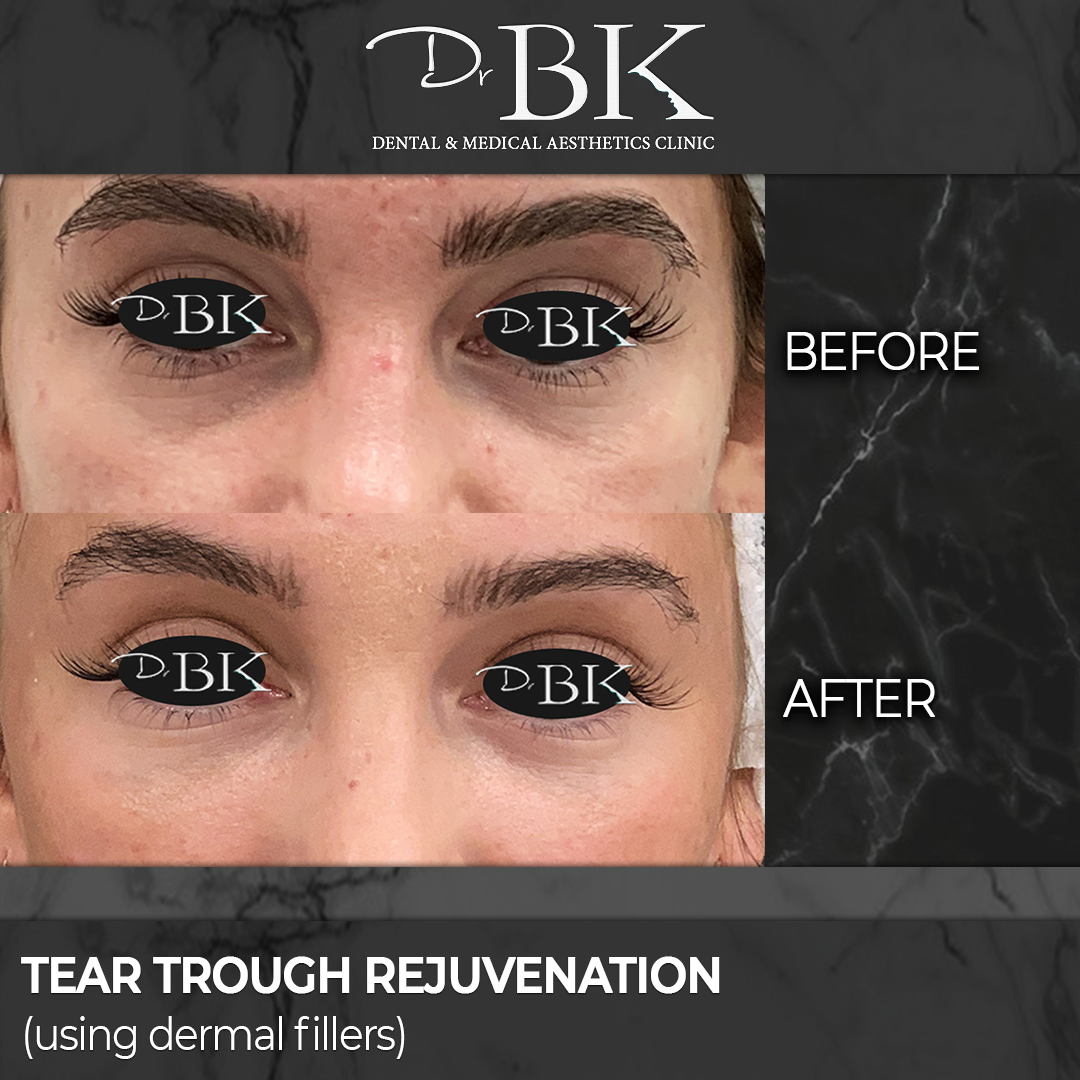
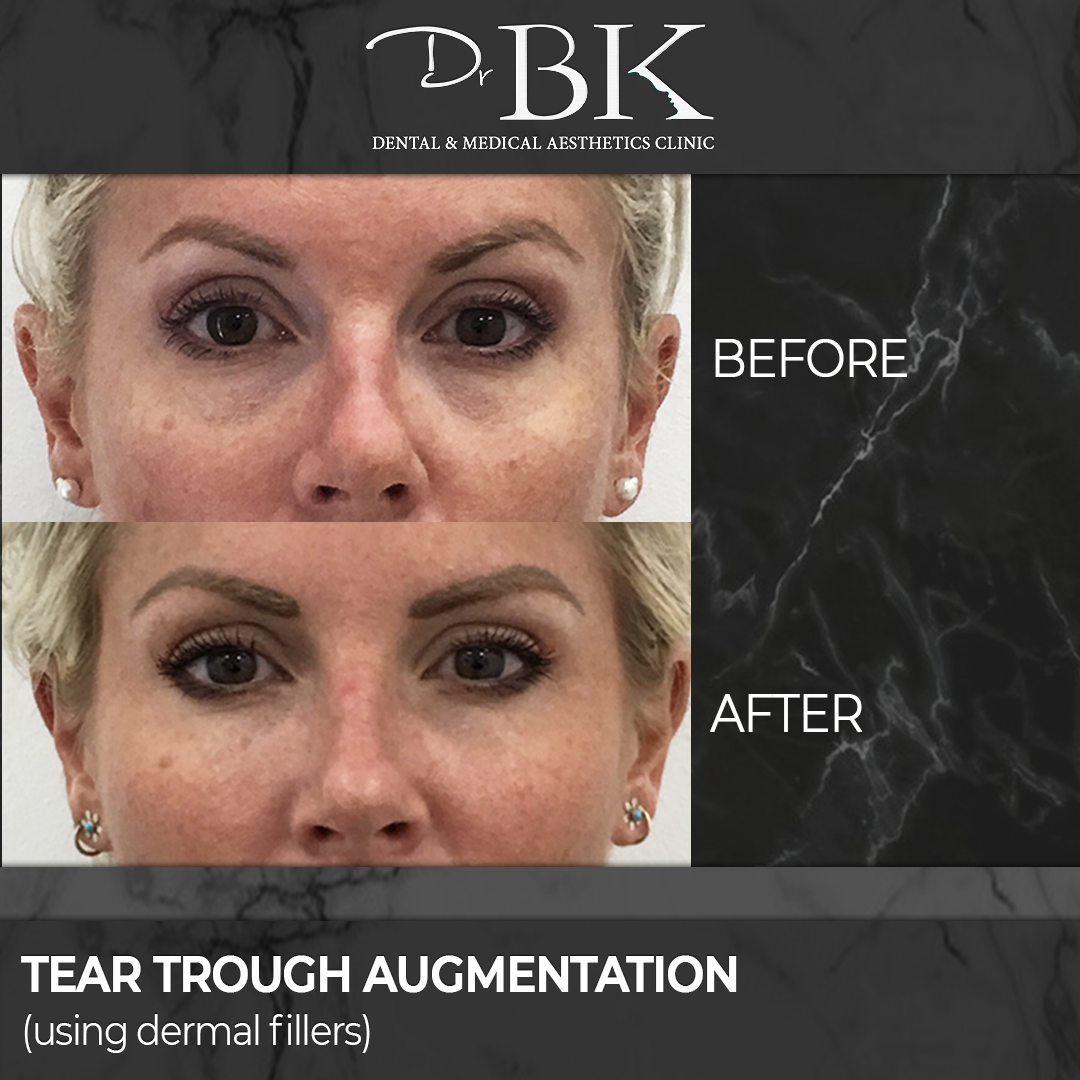
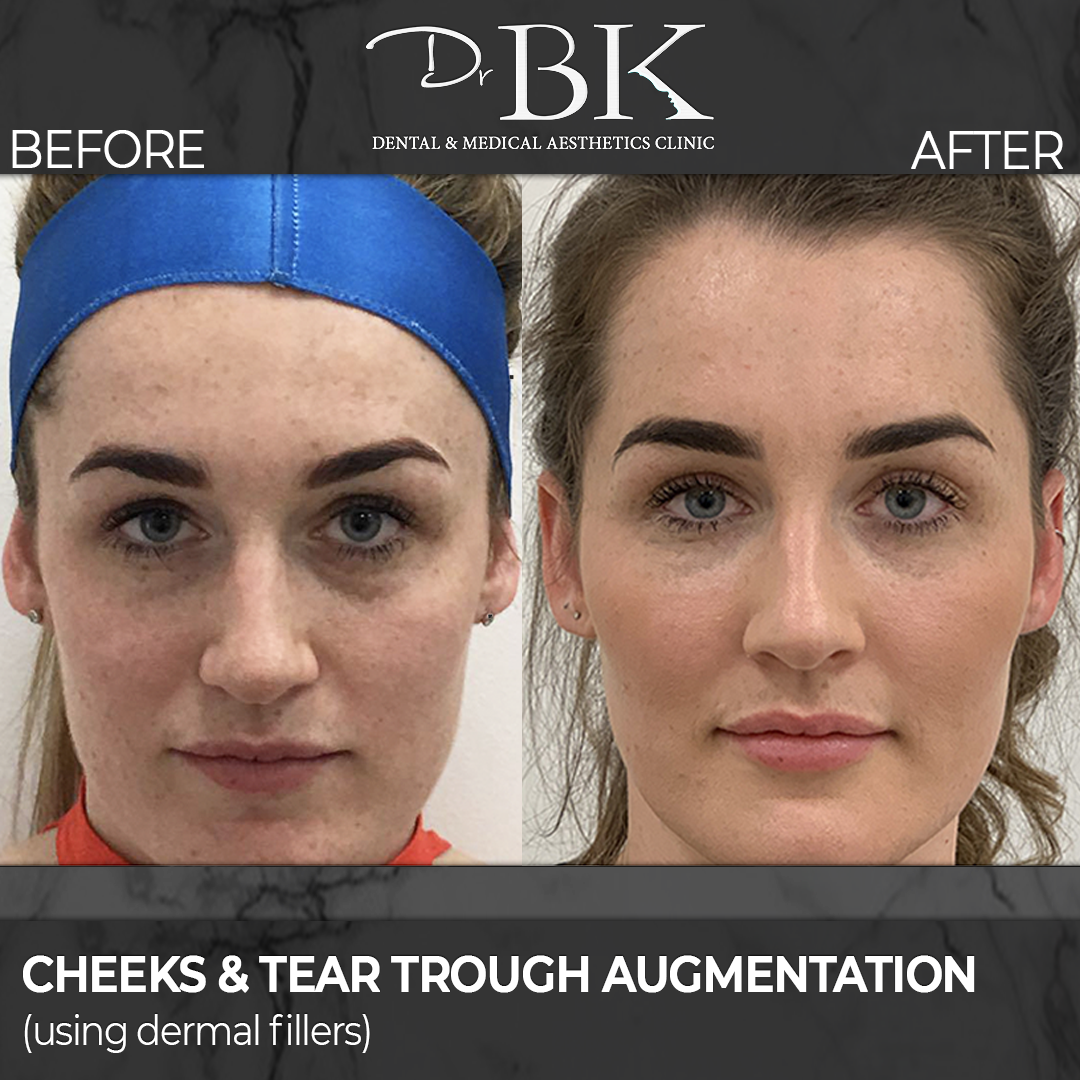
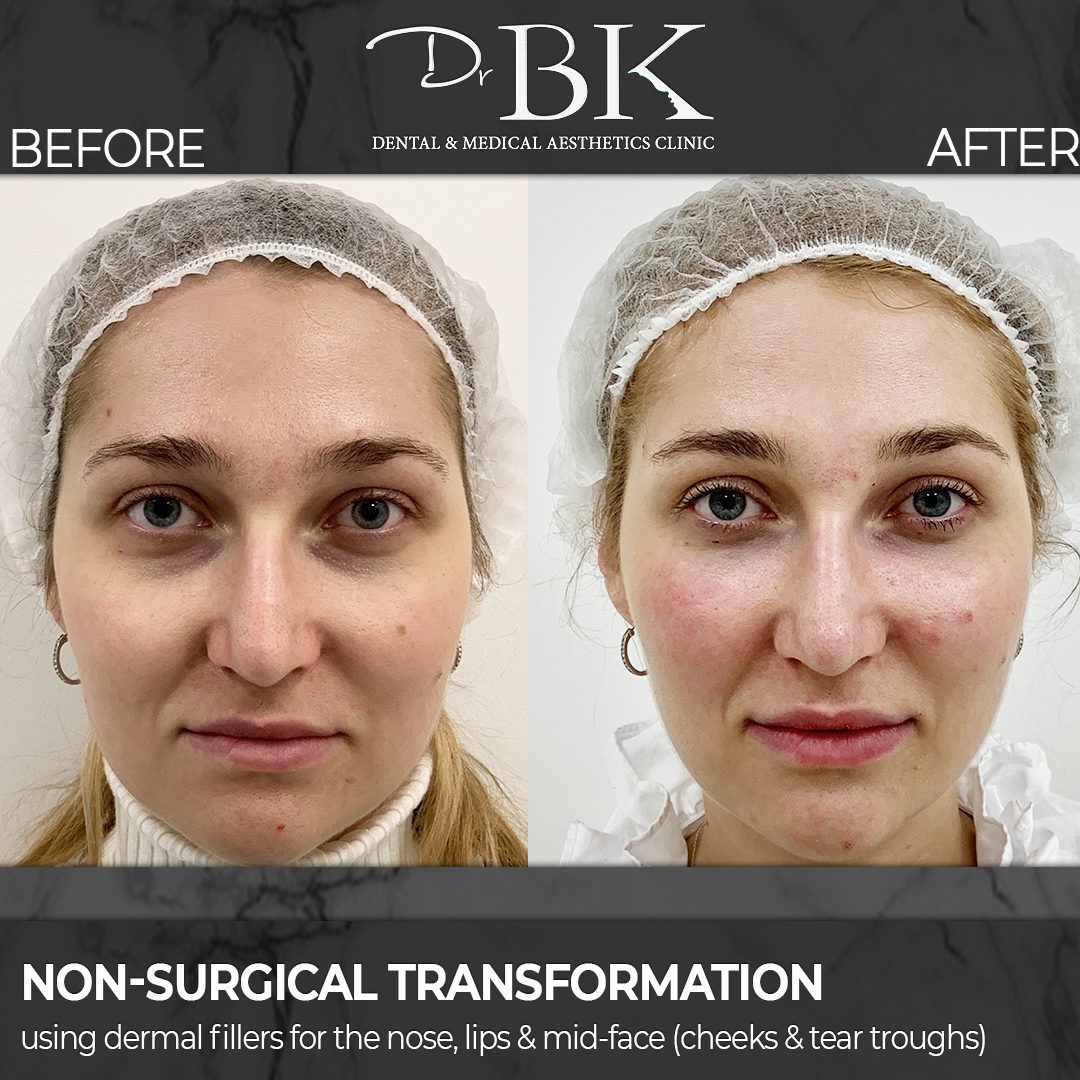
Here at DrBK we offer an effective tear trough filler treatment to help give you a rejuvenated and less-tired appearance. This requires administering dermal filler to the under eye area to essentially ‘fill’ in the hollow-ness and reduce the appearance of under-eye ‘bags’.
Unfortunately for a lot of people, the area directly under the eyes (tear troughs) can become very hollow. This can be either through a breakdown of collagen through the natural ageing process, or for genetic reasons. Either way, the result is a permanently tired and aged appearance.
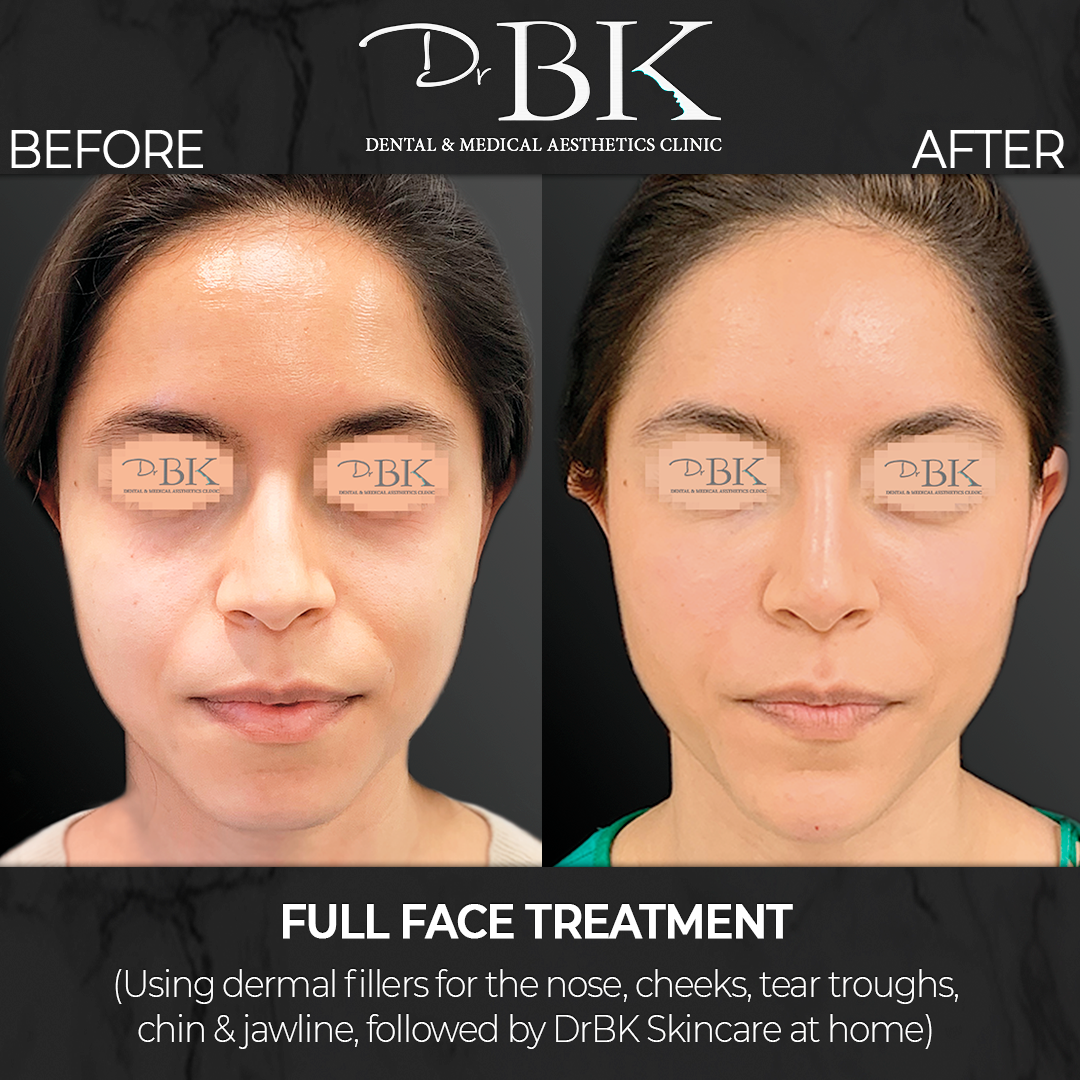
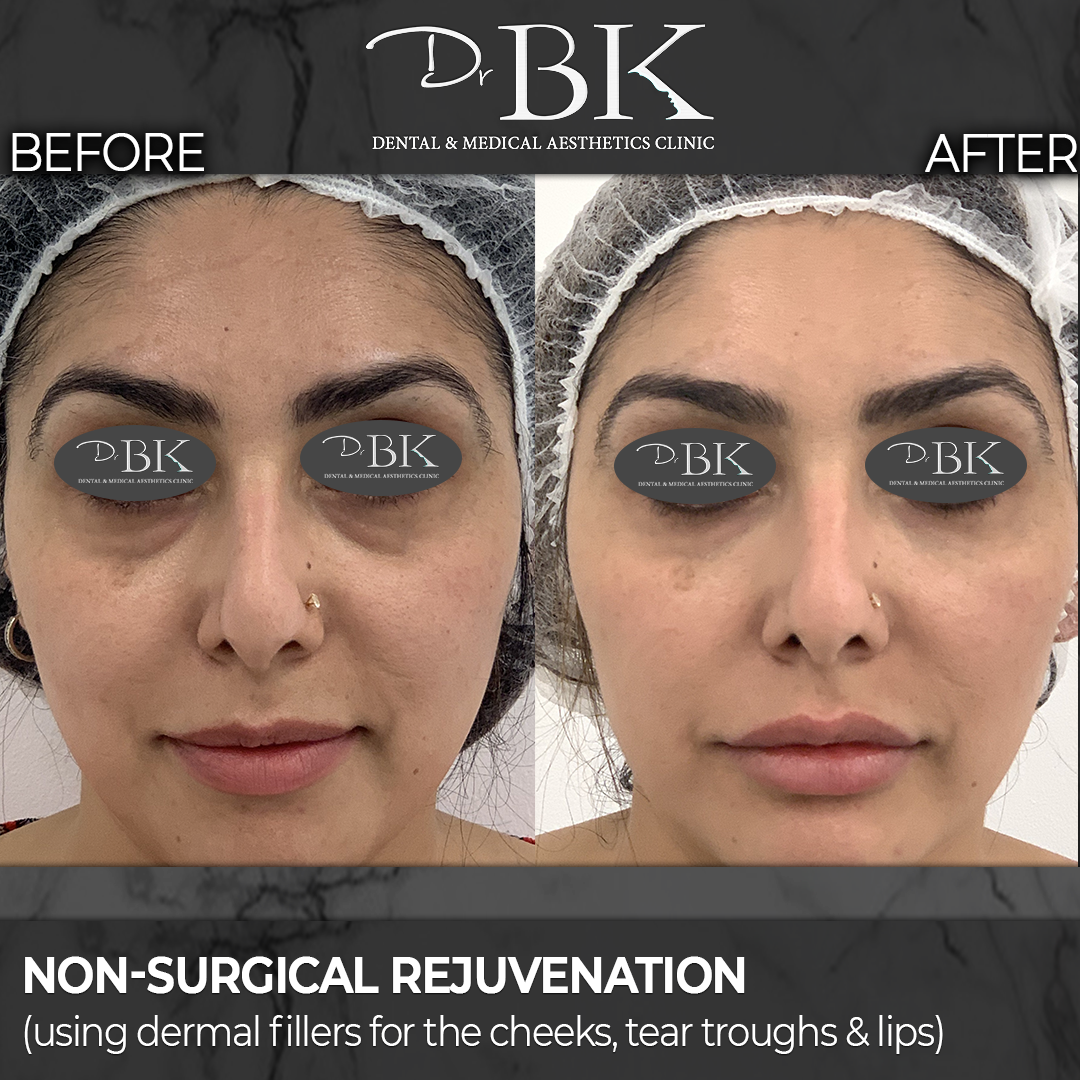
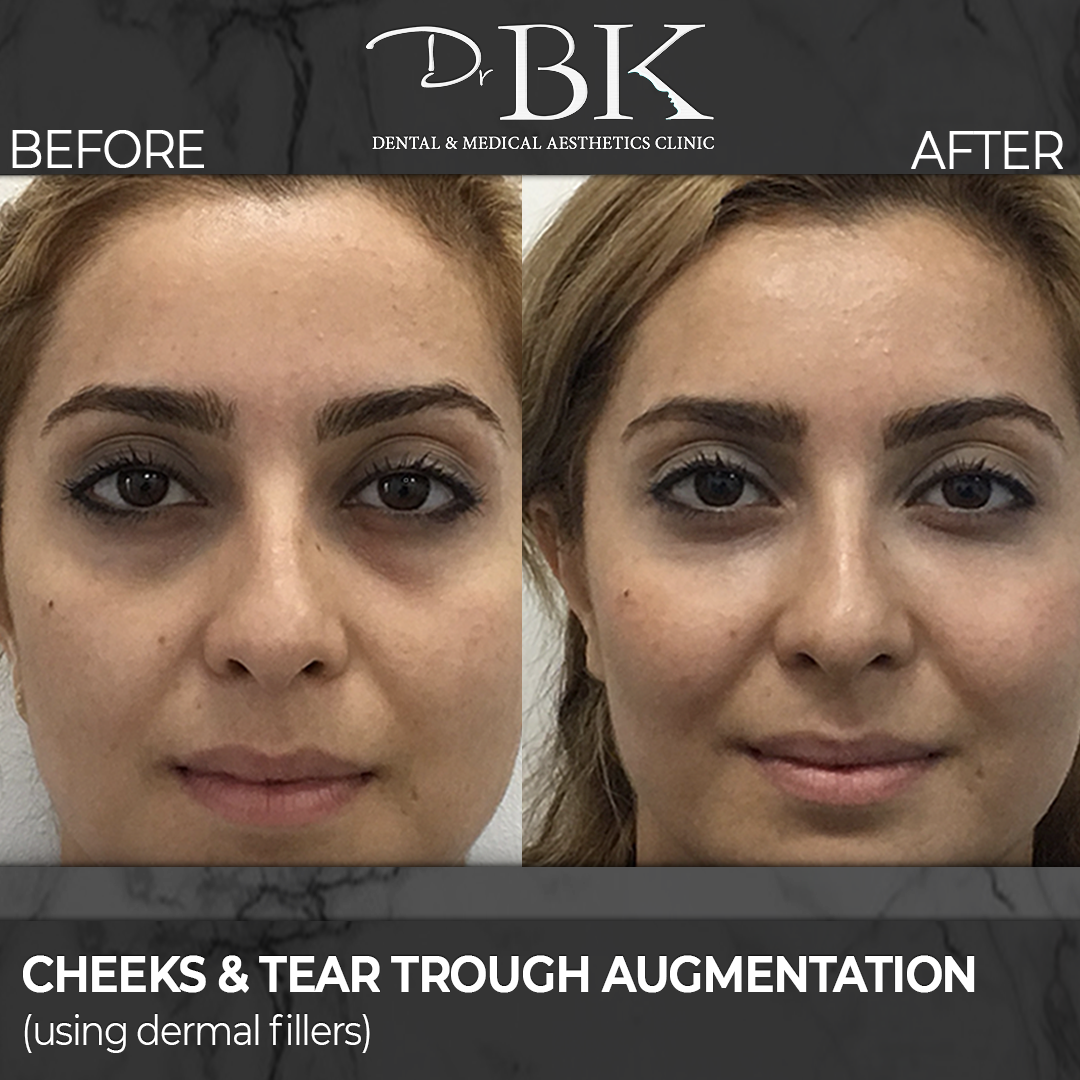
Tear trough filler can (and in some cases may need to) be used in conjunction with cheek fillers, for a fully hydrated and rejuvenated appearance.
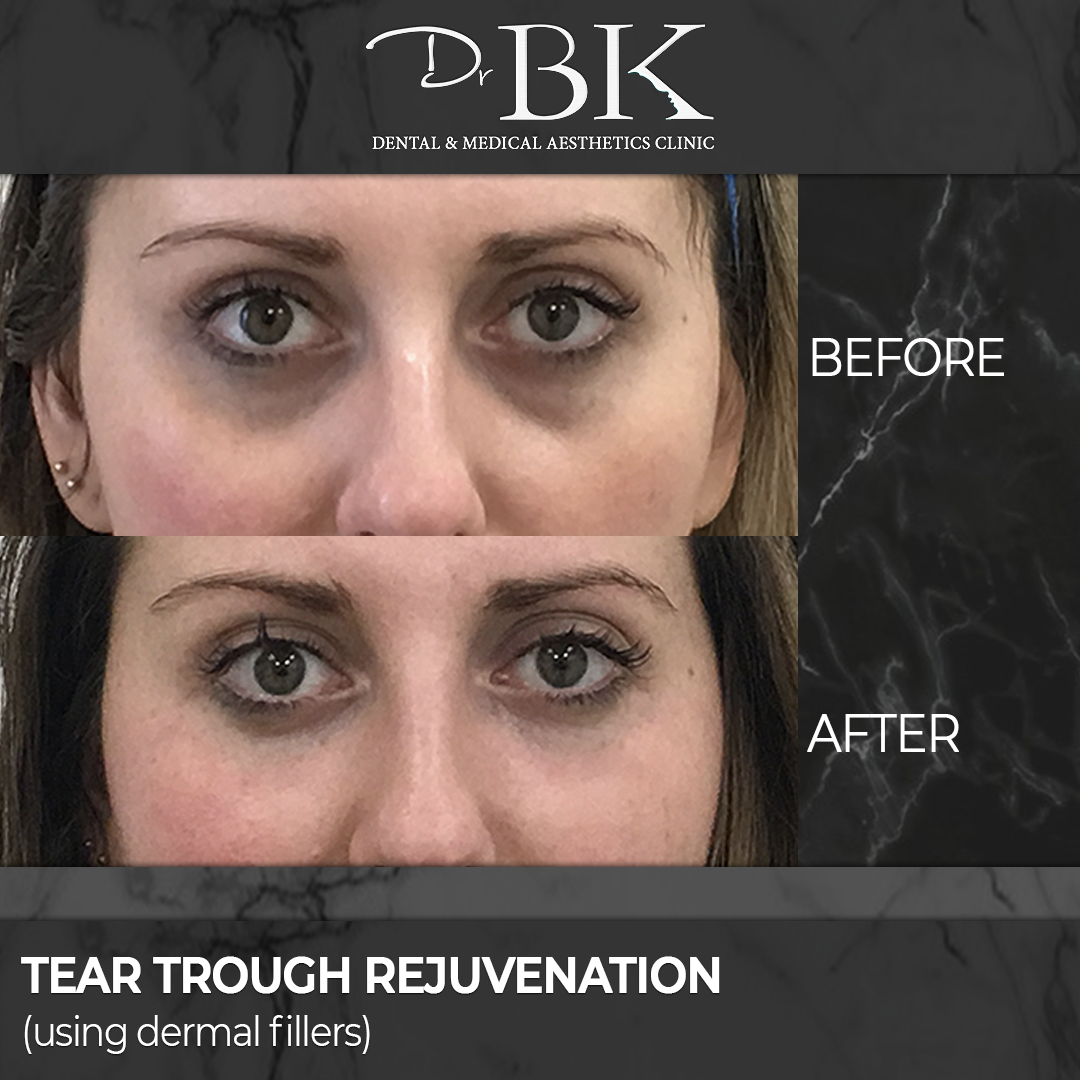
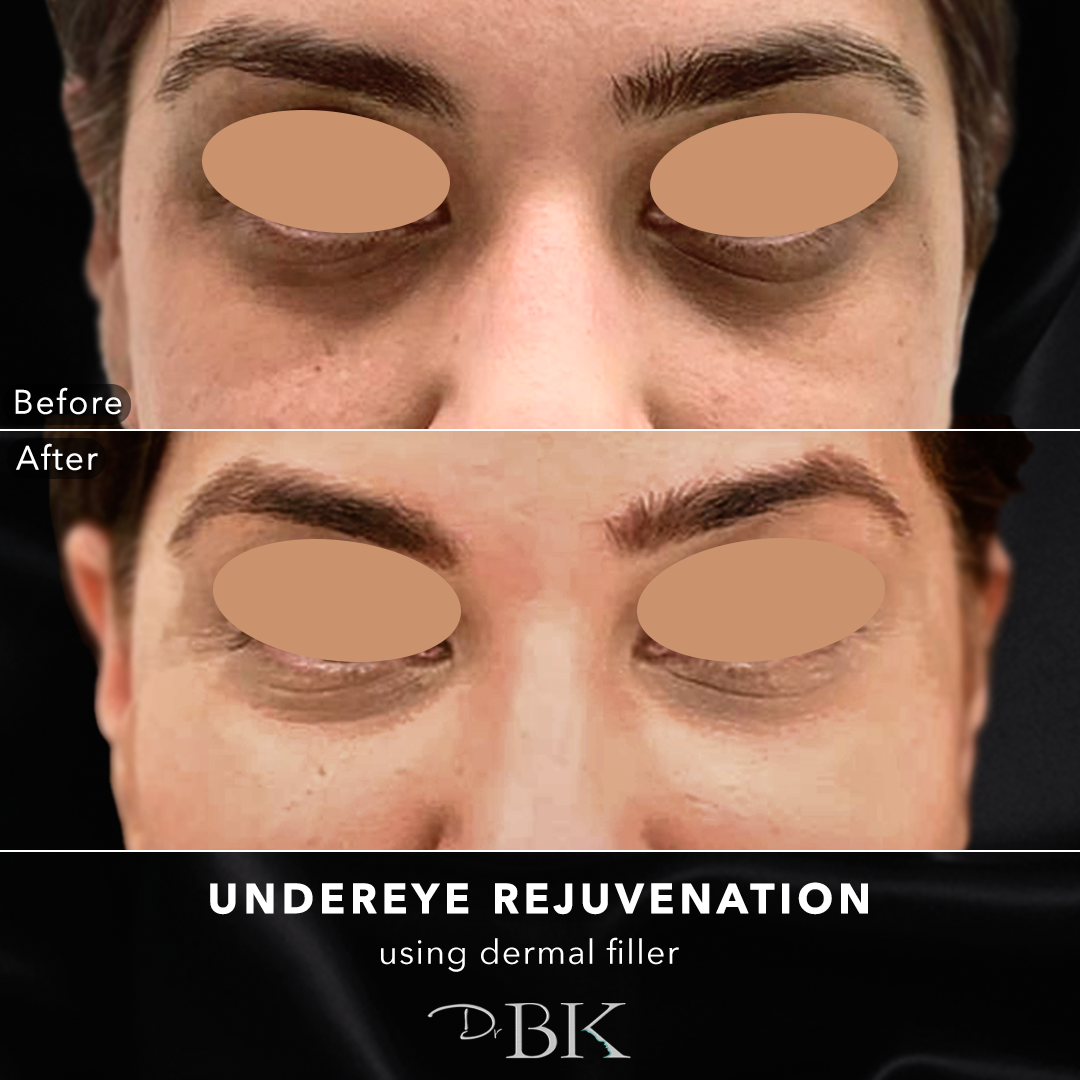
Please see below some before & after photos of our patients and also some frequently asked questions.
______
Before & After Photos
Frequently Asked Questions
What is dermal filler?
Dermal filler is made from a product called Hyaluronic Acid. Hyaluronic acid is a naturally occurring sugar that exists in almost all living organisms, including us. Its key role is to absorb water and transport nutrients to the skin, ensuring that the structure and volume is maintained.
What can I expect on the day of treatment?
All facial aesthetic treatments are carried out by Dr Khanna himself.
On arrival to your appointment, any makeup will be removed and the area will be sanitised. We will apply a topical anaesthetic on to the injection sites, to ensure the treatment is as pain-free as possible.
The product is administered with the use of a cannula, which helps to keep swelling and bruising to a minimum. A little discomfort is not uncommon. However, if you feel particularly sensitive, we are able to administer a local anaesthetic, although in most cases this is not necessary.
The appointment is booked in for around 30 minutes. This allows time for cleansing of the skin, numbing and the treatment itself.
How soon after treatment can I expect to see results?
The beauty of dermal fillers are that the results take effect immediately (although it's worth noting you may experience mild swelling initially).
Here at DrBK, we perform all aesthetic treatments in a 2 step process, so you will be invited to attend a review appointment 3 weeks post-procedure. At this appointment, any adjustments will be made, if necessary.
The effects are long-lasting, non-permanent and reversible. Traditionally, most patients will need to attend top-ups every 6-12 months.
What are the risks/side effects of dermal fillers?
The majority of reactions to dermal filler treatments post-procedure, are generally minimal and temporary. You should expect a degree of mild swelling, and slight bruising is a possibility. However, these reactions should subside within the week.
It's worth noting that Dr Khanna is one of the most highly-respected clinicians in the facial aesthetics industry, so you are in the most safe and capable hands at all times.
What do I need to do after my treatment?
After treatment, we advise you to avoid touching or rubbing the area to ensure placement of the product is not manipulated, for up to 2 weeks.
Any facial treatments, as well as saunas (or anything involving extreme temperatures) should be avoided for up to 2 weeks. Full, written, aftercare instructions will be provided on the day of treatment, for you to take home with you.
How do I know if this treatment is right for me?
If you decide to go ahead with dermal filler treatment, we will book you in for an initial consultation to discuss your desired results and ensure that you are suitable for treatment. We use a holistic approach here at DrBK, so Dr Khanna will assess your whole face, and create a bespoke treatment plan to ensure the most natural, but beautiful results.
How long do fillers last?
Lip fillers typically last anywhere from 6 to 12 months. However, the exact duration can vary depending on several factors, including:
- Type of filler: Hyaluronic acid fillers are the most common type and typically last between 6 to 12 months. Other types of fillers, such as collagen and fat injections, can last for several months to years.
- Metabolism: People with faster metabolisms may break down the filler more quickly, resulting in shorter-lasting results.
- Amount of filler injected: More filler generally leads to longer-lasting results, but it's important to avoid overfilling for a natural look.
Do fillers hurt?
Our practitioners use a numbing cream before the procedure, significantly reducing any discomfort. You might feel a slight pinch or pressure as the filler is injected, but it's usually very tolerable.
Everyone's pain tolerance is different, so while it's generally a painless procedure, it's always best to discuss your concerns with your practitioner.
How long does filler swelling last?
The worst of the swelling is usually experienced within the first 24-48 hours.
After that, it gradually subsides. While most swelling goes down within a week, it can take up to two weeks for it to completely disappear.
Remember, everyone's body reacts differently, so it's possible to experience swelling for a shorter or longer period.
Can you get filler while pregnant?
No, it's not recommended to get lip fillers while pregnant.
While there isn't concrete evidence proving harm to the baby, the general consensus among medical professionals is to avoid any non-essential medical procedures during pregnancy.
Can you eat after filler?
Yes, you can eat after lip fillers. It's best practice to:
- Wait for the numbing cream to wear off: This is crucial to avoid accidentally biting your lips.
- Avoid overly chewy or crunchy foods: These can irritate your lips and potentially affect the healing process.
- Opt for softer foods: Smoothies, yoghurt, and soft soups are good options for the first few days.
By following these tips, you can enjoy your meals without causing any discomfort or complications to your lip fillers.
Can you drink alcohol after fillers?
It's generally recommended to avoid alcohol for at least 24-48 hours after getting lip fillers.